
WSIB Strike 2025: A Wake-Up Call for Employers to Take Control
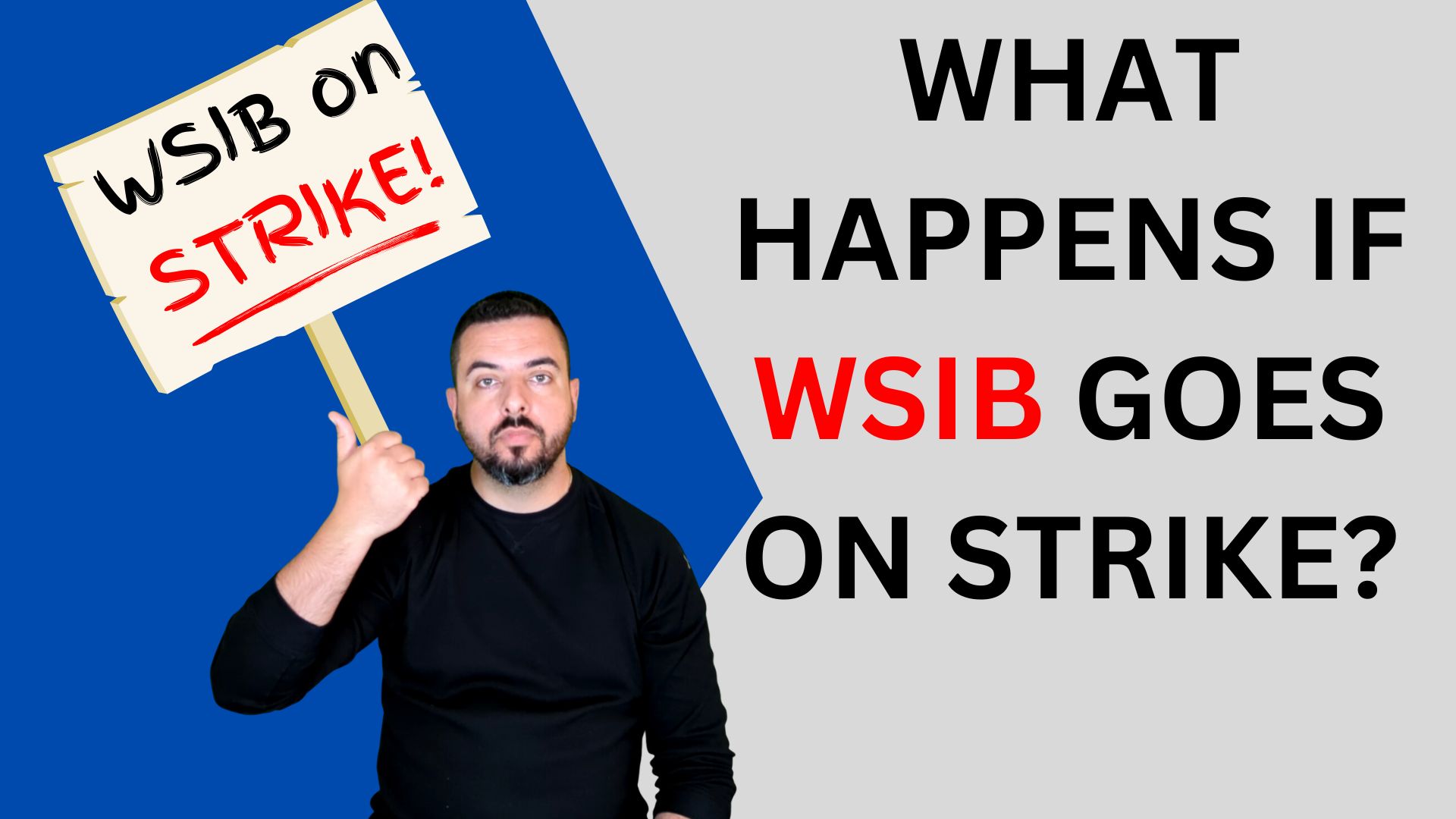
In a (not so surprising) turn of events, nearly 4,000 WSIB (Workplace Safety and Insurance Board) employees went on strike on May 21, 2025. Dubbed the “WSIB strike 2025,” this isn’t just a headline—it’s a direct disruption to your business. As an employer in Ontario, if you haven’t already started thinking about how to handle this, now’s the time.
At Workers Comp Simplified, we’ve been talking about the possibility of this happening for years. And, now that it has, it’s time to discuss exactly what this means for you and your business.
Why the WSIB Strike Matters for Employers
When the WSIB employees walked off the job, it wasn’t just about wages (although that’s certainly a part of it). It’s about working conditions, resources, and the strain that comes from years of overloaded caseloads. Employees unable to keep up with demand. We’ve seen these issues coming. In fact, just two years ago, I wrote an article about why WSIB workers were threatening to strike.
The concerns then were the same as they are now:
- Training to do their jobs better
- Resources that help workers get back to work quicker
- Wages that keep up with inflation
What I found interesting is that people will focus on the wages, but in reality it was tools and training they really needed. In fact these are the same issues that reflect the struggles across Canada’s workers’ compensation systems. In 2023 I wrote a blog titled “What Companies Need to Know About the WSIB Strike“, highlighting the issues facing WSIB employees are the same ones that employers like you are grappling with.
What’s Actually Happening in 2025?
The WSIB strike is already underway, with rolling strikes happening across Ontario’s largest hubs like Toronto, Ottawa, and Windsor. While WSIB has stated that they will continue to process claims during the strike (using automated systems for most cases) there’s no denying the impact this will have on your day-to-day operations. In fact, preliminary reports suggest that the strike could last at least into June if not longer.
For employers, it’s business as usual…sort of. Even though WSIB is on strike, you still have responsibilities. You still need to report injuries on time within the 72 hours mandated. Forget appeals. Those are considered low priority and will not be addressed.
The Key Impact WSIB Strike has on Ontario Employers
If you thought that just because WSIB was on strike, the rules would suddenly change…think again. On the employer account side of things, WSIB will still do premium reporting and clearances.
However, the processing of claims (especially appeals) will be delayed. What does this mean for you? You need to be prepared for longer wait times and potential communication challenges.
Here’s what you need to keep in mind:
- Report injuries on time: Even though there are delays, don’t wait to report.
- Expect delays when it comes to appeals: This will be suspended for the time being but still submit within the timelines for objections.
- Manage your claims proactively: Stay on top of existing claims and work with your employees to keep them informed.
If you’re looking for more actionable tips on how to handle these delays and improve your claims management during the strike, I highly recommend giving the full podcast episode WSIB STRIKE: What Ontario Employers Need to Do Right Now a listen. It’s packed with practical advice you can use right away. It’s also below, for your convenience.
WSIB Strike or Not, You Can’t Afford to Wait
Let’s be honest…many of you have known for a while now that relying on WSIB for support isn’t a long-term solution. This strike is just the latest reminder that the workers’ compensation system in Canada is under strain.
For years, I’ve been advising employers to take control of their WCB claims. This is the time to act on that advice.
Whether you’re dealing with new claims or managing ongoing ones, the process remains the same:
Documentation, communication, and preparation.
- Document everything: Record the details of the injury and the worker’s return-to-work plan.
- Keep the lines of communication open: Regularly check in with injured workers to ensure they feel supported.
- Stay proactive: Don’t wait for WSIB to make decisions. Take charge of the process where you can.
If you haven’t yet optimized your claims management program, now is the time to do it. Remember, this isn’t just about surviving the WSIB strike…it’s about setting up your company to be self-sufficient in the long run.
What You Can Do to Stay Prepared During the WSIB Strike
In addition to making sure your injury reporting is on point, here are a few steps you can take to weather the storm during the WSIB strike 2025:
- Ensure frontline staff are trained: Make sure they understand the strike situation and know what to do when a claim happens. Treat each claim as if there is no strike.
- Stay in touch with workers: Regular communication goes a long way. Check in with your workers, keep them updated, and let them know you’re there for them.
- Work ahead: Prepare for the eventual backlog once the strike ends. You’ll need a clean record and well-documented cases to hit the ground running.
This is about building your company’s system to handle claims without relying on WSIB. The best way to survive the WSIB strike is to make sure you’re not caught unprepared.
Don’t Wait Until It’s Too Late – Get the Support You Need Today
We’ve been warning employers about the instability of the WSIB system for years, and now it’s more important than ever to get serious about your claims management. At Workers Comp Simplified, we help employers like you build a self-sufficient claims management system that reduces reliance on WSIB and ensures smooth operations, no matter what’s going on at WSIB.
If you’re feeling overwhelmed by the changes or just need a second opinion, we’ve got you covered. You can contact us and let us know where your concerns are. We’ll guide you through this and help you stay ahead of the game.
If you’re looking for help right now, be sure to download our free ebook: “How to Train Your Team to Respond to a WCB Incident.“ It’s packed with actionable tips that will help your team be better prepared for managing claims, no matter what happens with WSIB.